
Eta Vs Tourist Visa For Canada: Key Differences And How To Know Which One You Need
Traveling to Canada as a visitor requires understanding which type of travel authorization you need before boarding your flight. Although many people use the terms eTA and tourist visa as if they were the same, they are actually two different mechanisms within the Canadian immigration system.
Depending on your nationality, you may need either an eTA (Electronic Travel Authorization) or a Temporary Resident Visa (TRV), commonly known as a Canadian tourist visa.
Both authorizations allow travelers to enter Canada for temporary purposes, such as tourism, family visits, or short-term business trips. However, the requirements, application process, and level of immigration assessment are different.
Understanding these differences is essential to avoid mistakes during the application process and reduce the risk of refusals.
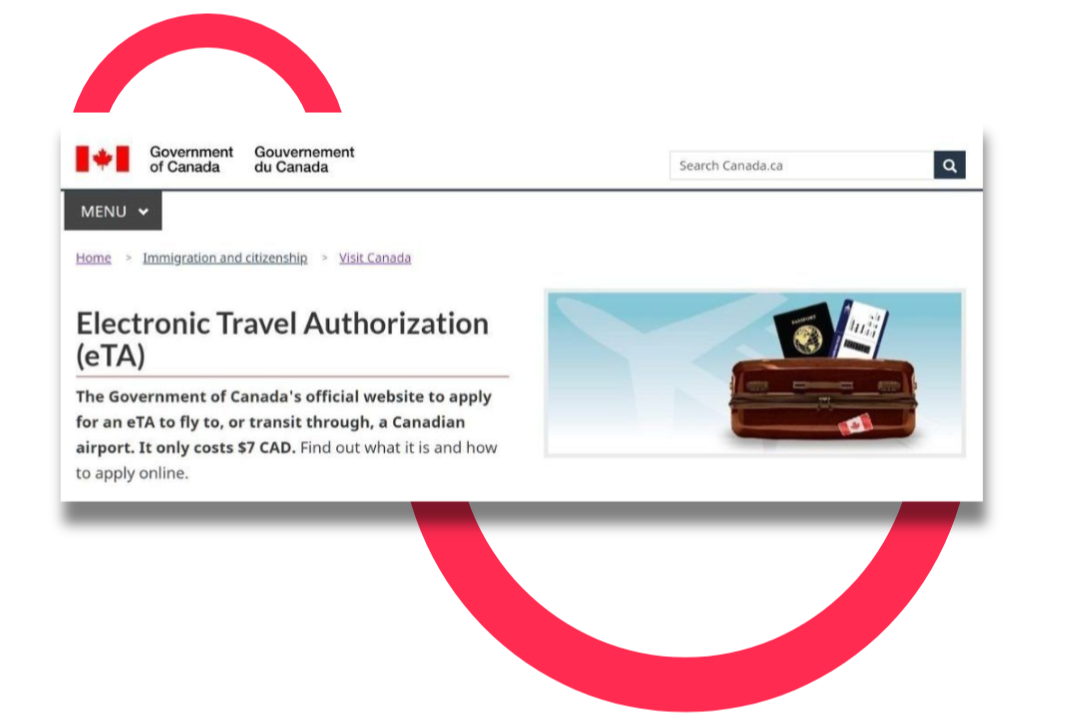
What Is an eTA (Electronic Travel Authorization)?
The eTA (Electronic Travel Authorization) is an electronic travel authorization that allows citizens of certain countries to travel to Canada by air without applying for a traditional visitor visa.
The eTA is electronically linked to the traveler’s passport and allows them to board a flight to Canada. However, it is important to understand that an eTA does not guarantee entry into Canada. The final decision is always made by a border services officer upon arrival.
This system was created by the Canadian government as a pre-screening tool for travelers from visa-exempt countries, allowing faster processes for temporary visits.
Key Characteristics of the eTA
Some of the most relevant aspects include:
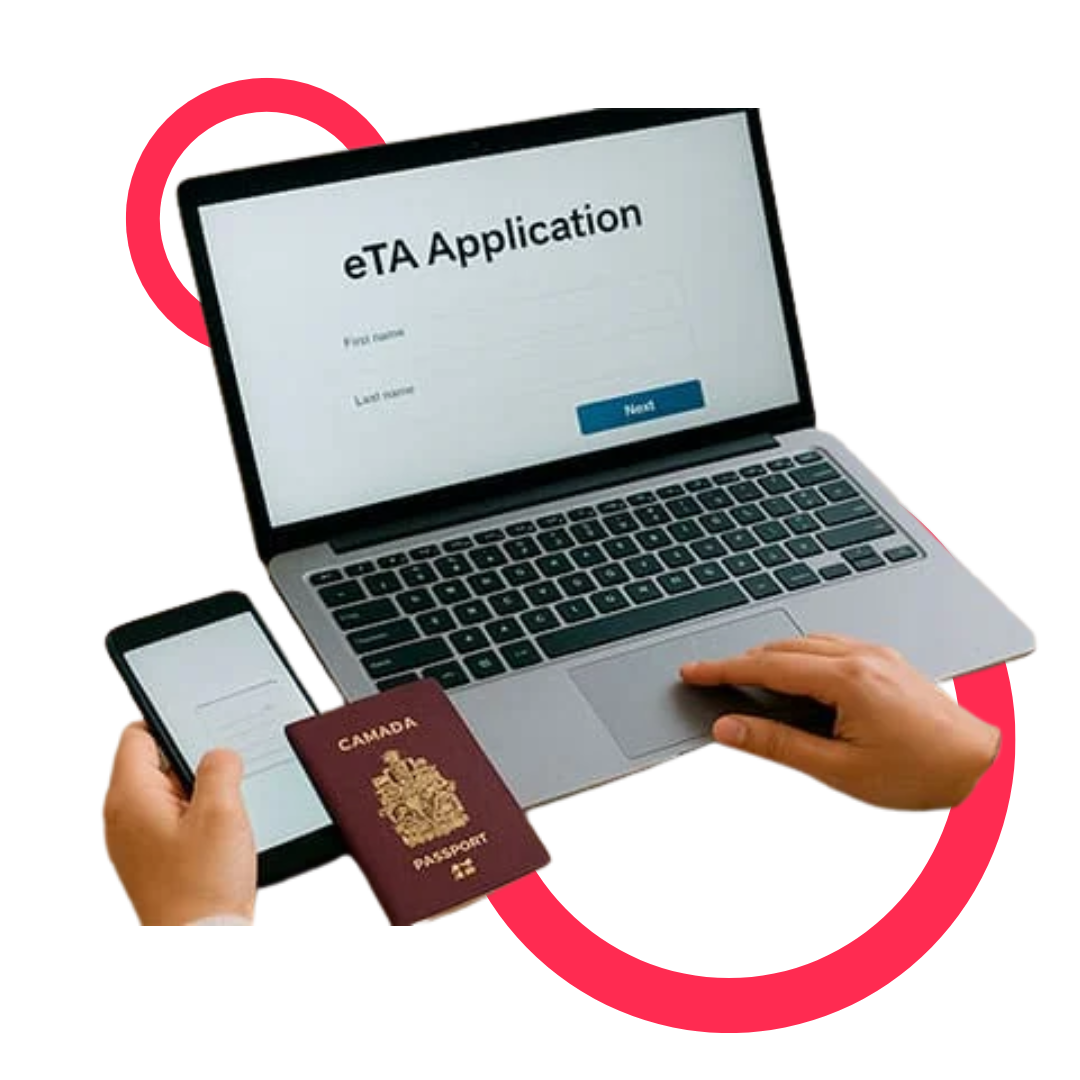
The application is completed entirely online
The authorization is electronically linked to the passport
It is usually valid for up to five years or until the passport expires
It allows multiple entries to Canada
Each visit may be authorized for up to six months, depending on the decision of the border services officer
In many cases, approval may be issued within minutes. However, this does not always happen instantly. Some applications may require additional review, which can extend the processing time.
For this reason, if you plan to travel to Canada, it is recommended to apply for the eTA in advance, even if the system is generally fast.
Who Can Apply for an eTA?
Eligibility for an eTA primarily depends on the traveler’s nationality.
Generally, an eTA can be requested by:
Citizens of visa-exempt countries
Certain nationalities that meet specific criteria defined by IRCC
Travelers entering Canada by air
There are situations where some nationalities may be eligible for an eTA in certain circumstances, while in other cases they may require a tourist visa.
Because these requirements may change or vary depending on Canadian immigration policy, the safest way to confirm which authorization you need is to use the official government tool available on the Immigration, Refugees and Citizenship Canada (IRCC) website.
You can verify which document you need based on your nationality using the official tool here:
Through this tool you can confirm whether you need:
an eTA
a visitor visa
or additional requirements before traveling to Canada
What Is a Tourist Visa for Canada?
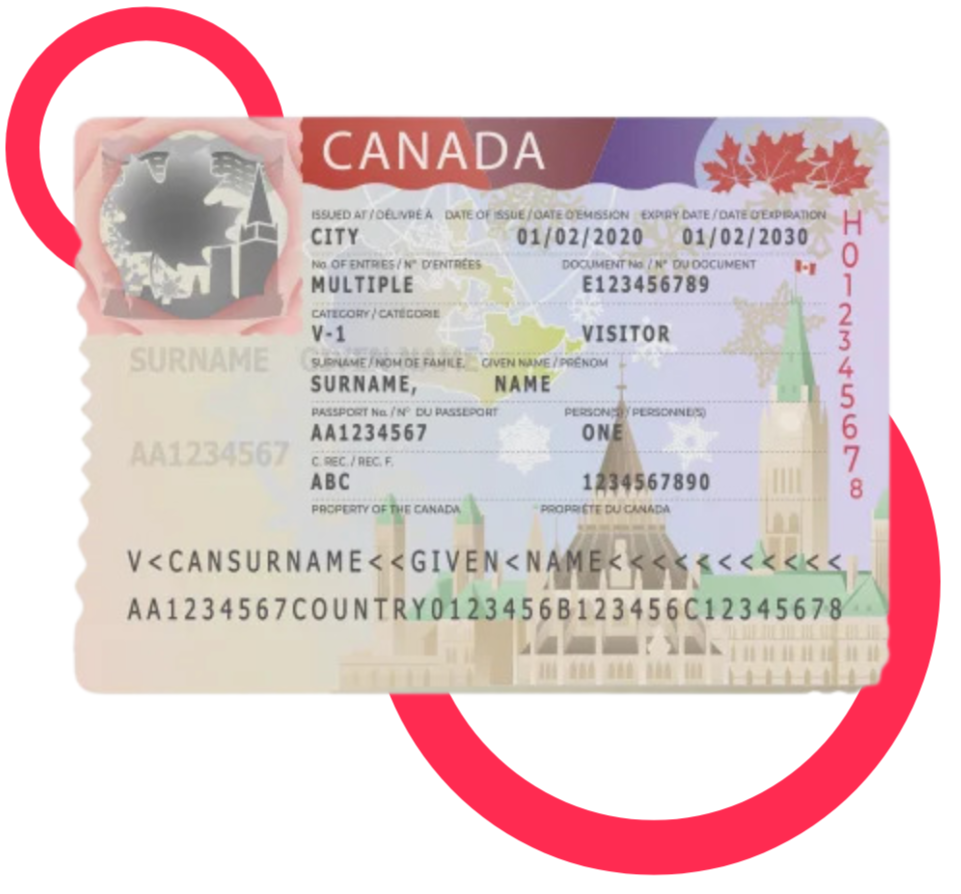
The Temporary Resident Visa (TRV), commonly referred to as a tourist visa for Canada, is a document that is placed physically in the passport and allows citizens of countries that are not visa-exempt to travel to Canada as visitors.
Unlike the eTA, the visitor visa involves a more comprehensive immigration assessment conducted by IRCC, meaning the process typically requires more documentation and longer processing times.
A tourist visa allows travelers to visit Canada for purposes such as:
Tourism
Family visits
Short-term business trips
Events or conferences
As with the eTA, the visitor visa does not guarantee entry into Canada, since the final decision is always made by a border services officer at the port of entry.
Characteristics of the Tourist Visa
Some of the most important aspects of a Canadian visitor visa include:
The application is submitted online
A full immigration assessment is conducted by IRCC
Biometrics (fingerprints and photo) are required
Applicants may be asked to submit their passport for visa stamping
The visa may be issued for up to 10 years or until passport expiration
During each visit to Canada, the border services officer may authorize a stay of up to six months, although the exact period may vary depending on the circumstances of each case.
The Tourist Visa Application Process
The application process generally includes the following steps:
Complete the online application through the IRCC portal
Pay the corresponding government fees
Receive the instruction letter for biometrics
Visit a Visa Application Centre (VAC) to provide biometrics
Wait for the decision from IRCC
If approved, submit the passport for visa stamping
It is important to clarify a point that often causes confusion.
Visa Application Centres (VACs) are not embassies or consulates.
These centers only collect biometrics and administrative documentation. There is no direct interview with immigration officers at VAC locations.
All applications are evaluated internally by IRCC officers, and the entire process is primarily conducted online
Processing Times
Processing times may vary depending on several factors, including:
The country from which the application is submitted
The volume of applications received by IRCC
Whether additional review is required

Generally speaking:
eTA
May be approved within minutes
In some cases may take a few days
Tourist Visa
May take several weeks or even months, depending on the country and the number of applications received.
For this reason, it is always recommended to prepare the process well in advance if you are planning to travel to Canada.
Tourist Visa Refusals: What You Should Know
One of the most common mistakes occurs when a tourist visa application is refused and the applicant immediately submits a new application without reviewing the reasons for the refusal.
It is important to understand that:
There is no formal appeal process for visitor visas
Submitting multiple applications without addressing the identified issues usually leads to additional refusals
When an application is refused, IRCC provides the reasons in the refusal letter. These may relate to factors such as:
Insufficient ties to the country of residence
Financial situation
Travel history
Purpose of the trip
Incomplete or unclear information
Before submitting a new application, it is recommended to carefully review the refusal reasons and prepare a proper strategy.
The Importance of Properly Preparing the Application
Many people assume that applying for a tourist visa simply involves filling out forms. However, immigration officers assess multiple factors to determine whether a visitor will comply with the conditions of their temporary stay.
In addition, forms and supporting documentation are usually submitted in English or French, which can present additional challenges for some applicants.
In situations such as:
First international trip
Limited or no travel history
Previous visa refusals
Complex family circumstances
it may be advisable to seek professional guidance before submitting the application.
Do You Need an Assessment only for Your Tourist Visa?
If your intention is to travel to Canada strictly as a visitor and you are not planning to begin a permanent immigration process, you may also schedule a consultation specifically focused on eTA or tourist visa applications.
If you would like to book a consultation to review your tourist visa application, you can click here to schedule it.
This consultation is designed for individuals who simply want to evaluate their temporary travel plans to Canada or who have had previous concerns or issues related to visitor applications.
Preliminary Assessment for Tourist Visa Applications
During this consultation, we conduct an initial review of your situation in order to determine the most appropriate way to prepare your visitor application.
The assessment includes factors such as:
• Reviewing whether you meet the requirements for a visitor application or whether additional documentation may be necessary, particularly in cases where IRCC has requested additional information during an eTA process.
• Analyzing your immigration and travel history, or if you have no travel history, identifying how to better support the application.
• Evaluating previous visa refusals, if applicable, to understand the reasons provided by IRCC before submitting a new application.
• Reviewing the best strategy for submitting your application, whether individually or as a family, depending on the type of trip you intend to make or whether you have close relatives in Canada.
This analysis helps identify potential risks in the application and allows the process to be prepared more strategically before submission to IRCC.
The eTA (Electronic Travel Authorization) and the Canadian tourist visa are two different mechanisms within the Canadian immigration system. Determining which one you need will depend primarily on your nationality and travel circumstances.
Before starting any application, it is recommended to:
Confirm the requirement based on your nationality
Properly prepare your documentation
Understand the process and expected processing times
Avoid common mistakes that may lead to refusals
If you would like to review your case before submitting an application, Global Opportunities can help you evaluate your profile and guide you on the best way to prepare your process to travel to Canada as a visitor.
Proper preparation from the beginning can make a significant difference in the outcome of your application.