
Immigration To Canada 2026: Context, Strategy, And What You Need To Know Before Applying

Immigration to Canada is entering a new phase. Over the past few years, the Canadian immigration system has undergone important adjustments that have left many prospective immigrants confused, frustrated, or uncertain about whether Canada is still a viable option.
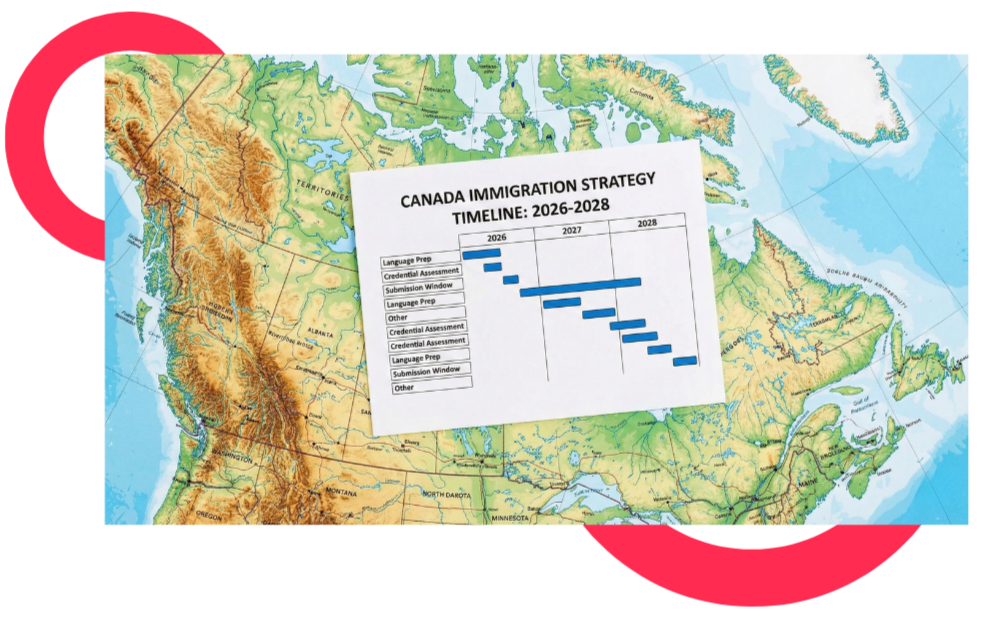
A Reorganized System, Not a Closed Door
Contrary to popular belief, Canada has not closed its doors to immigration. Instead, the country has reorganized its system to respond to real capacity challenges related to housing, healthcare, processing times, and integration services. Understanding this context is essential for anyone considering immigration in 2026.
The Context: Why the Rules Changed
Between 2020 and 2023, Canada experienced a perfect storm of factors that placed significant pressure on public infrastructure:
An unprecedented increase in temporary residents (international students and foreign workers).
A rise in humanitarian and refugee claims.
Documented misuse of certain immigration pathways.
The response from the Canadian government was not ideological or anti-immigration; it was operational. Immigration policies were adjusted to ensure sustainability and to better align immigration levels with what the country can realistically absorb.
The New Key Concept: Capacity
"The defining concept for immigration in 2026 is capacity. Capacity in housing, healthcare, public services, and administrative processing now plays a central role in how immigration programs are designed and implemented."
This shift explains many of the changes seen in study permits, work permits, and permanent residence programs.
The End of Improvisation
One of the most significant changes is the end of improvisation as a viable immigration strategy.
In the past: Some applicants relied on entering Canada first and planning later.
Now: That approach carries considerably more risk. The current system prioritizes coherence, documentation, and long-term planning.
Profile of a Successful Immigrant in 2026
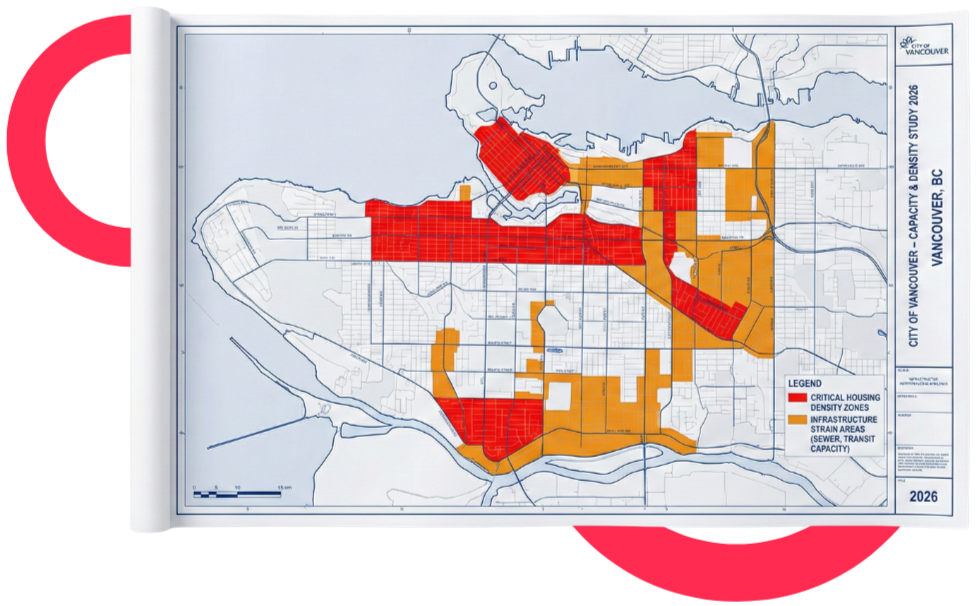
This new reality does not make immigration impossible; it makes it more selective and more strategic. Immigration to Canada in 2026 increasingly favors applicants who:
Understand the system before applying.
Prepare their language skills in advance (particularly French outside Quebec).
Align their education and work experience with real labor needs.
Choose provinces strategically rather than emotionally.
Permanent residence pathways have evolved. Broad, generalized selection rounds have given way to more targeted approaches, including category-based selection and stronger reliance on provincial nomination programs
Our e-book, "Immigration to Canada 2026: Context, Strategy & Planning"
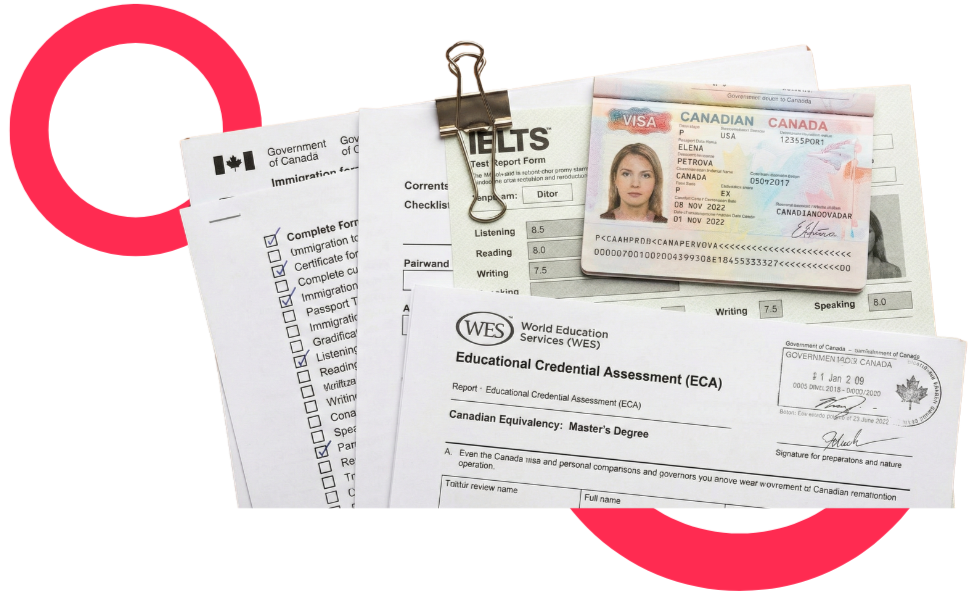
Was created to provide clarity in this environment. It offers a comprehensive overview of how the system works today, why changes occurred, and how individuals and families can approach immigration decisions responsibly.
The e-book also introduces a broader editorial series that will explore:
The human realities of settling in Canada.
If you are considering immigration to Canada and want to make informed decisions rather than relying on outdated advice or social media narratives, we invite you to download the full guide.