
Canadian Culture: Food, Sports, Music, Arts and Traditions
Canadian culture is a mix of Indigenous cultures, French and British roots and the traditions of people who have arrived from every part of the world. You can taste it in poutine, butter tarts and maple syrup, hear it in its music and its two official languages, and feel it at an outdoor hockey rink in January. This guide explains the food, sports, music, film, arts, regional traditions, slang and symbols newcomers meet most, with a source for each fact, and how you can join in from your first weeks.
About our sources: This guide summarises what official sources (the Government of Canada, provincial and territorial governments and the other organisations we link to) said when we checked them in November 2026. We link every source so you can read it yourself. Rules, rates and requirements change, sometimes without notice, and the official page is the one that counts. This is general information, not legal, tax or immigration advice. Global Opportunities is not responsible for how this information is interpreted or for changes made after it was written.
There is no single Canadian culture that everyone lives the same way, so read what follows as "what many Canadians enjoy".
This guide is about what Canadians eat, play, watch, read, celebrate and say. For everyday manners (shoes off at home, tipping, lining up, small talk, workplace habits), read our guide to Canadian customs and etiquette. For the story behind it all, read Canadian history in plain English.
Watch our recorded seminars and lives →
In this guide
Canadian culture at a glance
Multiculturalism and two official languages
Indigenous cultures in Canada
Canadian food: poutine, butter tarts, Nanaimo bars and maple syrup
Regional dishes and drinks
Tim Hortons and the double-double
Sports: hockey, lacrosse, curling, football and basketball
Canadian music
Film, television and comedy
Canadian literature
Arts and museums
Outdoor and winter culture
Regional cultures across Canada
Francophone culture outside Quebec
Canadian English: eh, toque, loonie and toonie
National symbols: the beaver, the maple leaf and more
How newcomers can join in
Videos to learn more
Frequently asked questions
Related guides
How Global Opportunities can help
Sources
Canadian culture at a glance
Canadian culture is shaped by the First Nations, Inuit and Métis peoples who have lived here since time immemorial, by French and British settlers, and by generations of immigrants. Canada recognizes multiculturalism in law, has two official languages, English and French, and shares favourite foods, sports and symbols from coast to coast to coast.
Statistics Canada reports that more than 450 ethnic or cultural origins were reported in the 2021 Census (Statistics Canada, The Daily, October 26, 2022).
By federal law, ice hockey is the national winter sport and lacrosse the national summer sport (Justice Laws Website, National Sports of Canada Act).
According to Canadian Heritage, the beaver was the first universally popular symbol of Canada, even before the maple leaf (Canadian Heritage, official symbols of Canada).
Multiculturalism and two official languages
Canada was the first country in the world to adopt a multiculturalism policy, and it is officially bilingual in English and French. In daily life you will hear many languages, find food and festivals from all over the world, and see English and French on federal signs, products and services.
The Canadian Encyclopedia explains that the federal multiculturalism policy was adopted in 1971 and that Canada was the first country in the world to adopt one (Multiculturalism). The Canadian Multiculturalism Act recognizes the diversity of Canadians as a fundamental characteristic of Canadian society (Justice Laws Website). Statistics Canada reports that, aside from English and French, Mandarin and Punjabi were the most widely spoken languages at home in 2021 (Statistics Canada, The Daily, August 17, 2022). Canadian Heritage marks Canadian Multiculturalism Day on June 27 (Canadian Heritage).
The Official Languages Act of 1969 made English and French the official languages of Canada and requires federal institutions to provide services in either on request, according to The Canadian Encyclopedia (Official Languages Act). Statistics Canada reports that 18.0% of Canadians could speak both languages in 2021 (The Daily, August 17, 2022). You will notice bilingualism on cereal boxes and medicine labels, in French immersion schools and on Radio-Canada.
Please note: census figures as published by Statistics Canada for the 2021 Census, as of November 2026. Newer data may have been released: check Statistics Canada before you quote them.
Indigenous cultures in Canada
First Nations, Inuit and Métis peoples are the original peoples of the land now called Canada. They are many distinct nations, with their own languages, ceremonies and arts, not one single culture. Learning about the Indigenous nations where you live is one of the most respectful ways to begin your life in Canada.
According to Statistics Canada, Indigenous peoples and their cultures have existed since time immemorial in the land now known as Canada; the term refers to three groups recognized in the Constitution (First Nations people, Métis and Inuit), and the 2021 Census counted 1.8 million Indigenous people, or 5.0% of the population (The Daily, September 21, 2022). Statistics Canada also notes that more than 70 distinct Indigenous languages are spoken in Canada (The Daily, August 17, 2022).
First Nations are one of three groupings of Indigenous people; most hold reserve lands, and the term can describe a large group such as the Cree Nation or a smaller community (The Canadian Encyclopedia, First Nations).
Inuit, "the people" in Inuktitut, mostly live in the northern regions of Canada; one Inuit person is an Inuk, and the homeland is Inuit Nunangat (The Canadian Encyclopedia, Inuit).
Métis are one of the three recognized Aboriginal peoples, and the Métis Nation emerged largely in Western Canada, from the Red River Settlement (The Canadian Encyclopedia, Métis).
Powwows, gatherings where drum groups take turns singing; some songs are intertribal dances in which everyone can dance (The Canadian Encyclopedia, powwow). If you attend one open to the public, follow the announcer's guidance on dancing and photos.
Totem poles, carved from cedar by Northwest Coast Indigenous peoples to show a nation's, family's or individual's history and rights (The Canadian Encyclopedia, totem pole).
Inuit art, where carving is the largest activity and printmaking is widely collected; Kenojuak is one of Canada's best-known printmakers (The Canadian Encyclopedia, Inuit art).
Indigenous film, free to stream in the National Film Board's Indigenous cinema collection.
Canadian Heritage invites everyone to celebrate First Nations, Inuit and Métis cultures on June 21, National Indigenous Peoples Day (Canadian Heritage, Celebrate Canada). For treaties, residential schools and reconciliation, read our Canadian history guide and visit Crown-Indigenous Relations and Northern Affairs Canada.
Please note: figures as published by Statistics Canada for the 2021 Census, as of November 2026. Indigenous nations describe their own cultures in their own ways: when you can, learn from the nations and organizations in your area.
Canadian food: poutine, butter tarts, Nanaimo bars and maple syrup
Canada's best-known foods are poutine (fries, cheese curds and gravy), butter tarts, Nanaimo bars and maple syrup. Each region also has its own dishes, and big cities have food from every part of the world.
Poutine. The Canadian Encyclopedia describes it as a Québécois dish of fresh-cut fries topped with cheese curds and gravy that first appeared in rural Quebec snack bars in the late 1950s and became popular across Canada in the 1990s (History of poutine).
Butter tarts. A filling of butter, sugar and egg in flaky pastry, first published in a cookbook in 1900. The Canadian Encyclopedia calls the butter tart "quintessentially Canadian" and mentions Ontario's self-guided butter tart tour, and the great debate: runny or firm, raisins or not (Butter tarts).
Nanaimo bars. A no-bake dessert with a graham wafer and coconut base, custard-flavoured butter icing and a chocolate top, named after Nanaimo, British Columbia (The Canadian Encyclopedia, Nanaimo bar).
Maple syrup. According to Canadian Heritage, Canada is the world's largest producer and exporter of maple products, and most production comes from Quebec (Canadian Heritage, official symbols). The Canadian Encyclopedia explains that Indigenous peoples of the Eastern Woodlands made maple products long before European settlers arrived, and that in spring people gather at maple farms for a meal, traditional music and taffy on snow (Maple sugar industry). The cabin where sap is boiled is a sugar shack, or cabane à sucre (DCHP-3, sugar shack).
Regional dishes and drinks
Every region has signature food: tourtière in Quebec, Jiggs' dinner in Newfoundland and Labrador, lobster on the Atlantic coast, saskatoon berries on the Prairies and ginger beef in Calgary.
From The Canadian Encyclopedia:
Tourtière, a double-crusted meat pie served at réveillon after midnight Mass on Christmas Eve in Quebec (Tourtière).
Jiggs' dinner, the Sunday dinner of outport Newfoundland, made with salt meat and vegetables (Jiggs' dinner).
Screech, a rum popular in Newfoundland and Labrador (Screech); visitors may be invited to a "screech-in" to become an honorary Newfoundlander (DCHP-3, screech-in).
Lobster, found along the Atlantic coast from Labrador southward (Lobster).
Saskatoon berries, a hardy native fruit that gave Saskatoon its name and was a major ingredient in pemmican (Saskatoon berry).
Ginger beef, said to have been invented by chef George Wong at Calgary's Silver Inn in the 1970s, "a prime example of Chinese cuisine in Canada" (Ginger beef).
Bannock, a simple bread brought by Scottish fur traders and adopted by Indigenous peoples, who often made it with corn flour or plants (Bannock).
The Caesar, considered Canada's national cocktail, invented by Walter Chell in Calgary in 1969 with vodka, clam and tomato juice (Caesar cocktail).
Canadian food is also the food of its immigrants: in any large city you will find excellent cooking from Asia, the Caribbean, Latin America, the Middle East, Africa and Europe.
Tim Hortons and the double-double
Tim Hortons is a Canadian coffee and doughnut chain that many Canadians see as part of daily life. A "double-double" is a coffee with two servings of cream and sugar, a term that started there and is now Canadian English.

The Canadian Encyclopedia describes Tim Hortons as a chain known for its coffee, doughnuts and connection to Canada's national identity, and as Canada's largest restaurant chain (Tim Hortons). The Dictionary of Canadianisms on Historical Principles explains that it was founded in Hamilton, Ontario, in 1964 by hockey player Tim Horton and defines a double-double as a cup of coffee with two servings of cream and sugar (DCHP-3, double-double).
Sports: hockey, lacrosse, curling, football and basketball
Hockey is Canada's national winter sport and lacrosse its national summer sport. Curling, Canadian football and basketball are also popular. Watching a game, joining a recreational league or skating at an outdoor rink are great ways to meet people.

Hockey
The Canadian Encyclopedia calls hockey perhaps Canada's greatest contribution to world sport, explains that the modern game was developed at McGill University in Montreal in 1875, and notes that early hockey was played outdoors on natural ice; informal hockey is still called shinny (Ice hockey). Seven NHL teams play in Canada: the Calgary Flames, Edmonton Oilers, Montréal Canadiens, Ottawa Senators, Toronto Maple Leafs, Vancouver Canucks and Winnipeg Jets (NHL, teams). The encyclopedia describes Hockey Night in Canada as Canada's longest-running television program, whose theme song many saw as a second national anthem (Hockey Night in Canada).
Lacrosse
Canadian Heritage explains that contemporary lacrosse has its origins among the First Nations of Turtle Island (North America), who played stick-ball games long before European settlers arrived (Canadian Heritage, official symbols). The Canadian Encyclopedia adds that the National Lacrosse Association of Canada, formed in 1867, was the Dominion's first governing body of sport (Lacrosse).

Curling, football and basketball
Curling. Two teams of four slide stones toward a target. According to The Canadian Encyclopedia, Canada's first club formed in Montreal in 1807, the Brier and the Scotties are among the country's most popular sporting events, and curling is the most televised women's sport in Canada (Curling).
Canadian football. The Canadian Football League has nine teams, from the BC Lions to the Montreal Alouettes. Its Grey Cup has been part of Canadian sport since 1909, when it was donated by Governor General Earl Grey (The Canadian Encyclopedia, Grey Cup).
Basketball. James Naismith, born in Almonte, Ontario, invented the game in 1891 (The Canadian Encyclopedia, James Naismith). The Toronto Raptors, Canada's only NBA team, won their first championship in the 2018–19 season (Toronto Raptors).
Canadian music
Canadian music runs from folk legends to global pop stars, including Joni Mitchell, Gordon Lightfoot, Céline Dion, Shania Twain, The Tragically Hip, Drake and The Weeknd. The Juno Awards celebrate Canadian music every year.
Joni Mitchell, born in Fort Macleod, Alberta, inducted into the Canadian Music Hall of Fame in 1981 (Joni Mitchell); Gordon Lightfoot, singer-songwriter and Companion of the Order of Canada (Gordon Lightfoot).
Céline Dion, from Charlemagne, Quebec, whom The Canadian Encyclopedia calls the most commercially successful Canadian singer of all time (Céline Dion), and country-pop star Shania Twain (Shania Twain).
The Tragically Hip, which, the encyclopedia notes, the BBC called "the most Canadian band in the world" (The Tragically Hip).
Drake, born in Toronto (Drake); The Weeknd, born in Scarborough (The Weeknd); and Justin Bieber, born in London, Ontario (Justin Bieber).
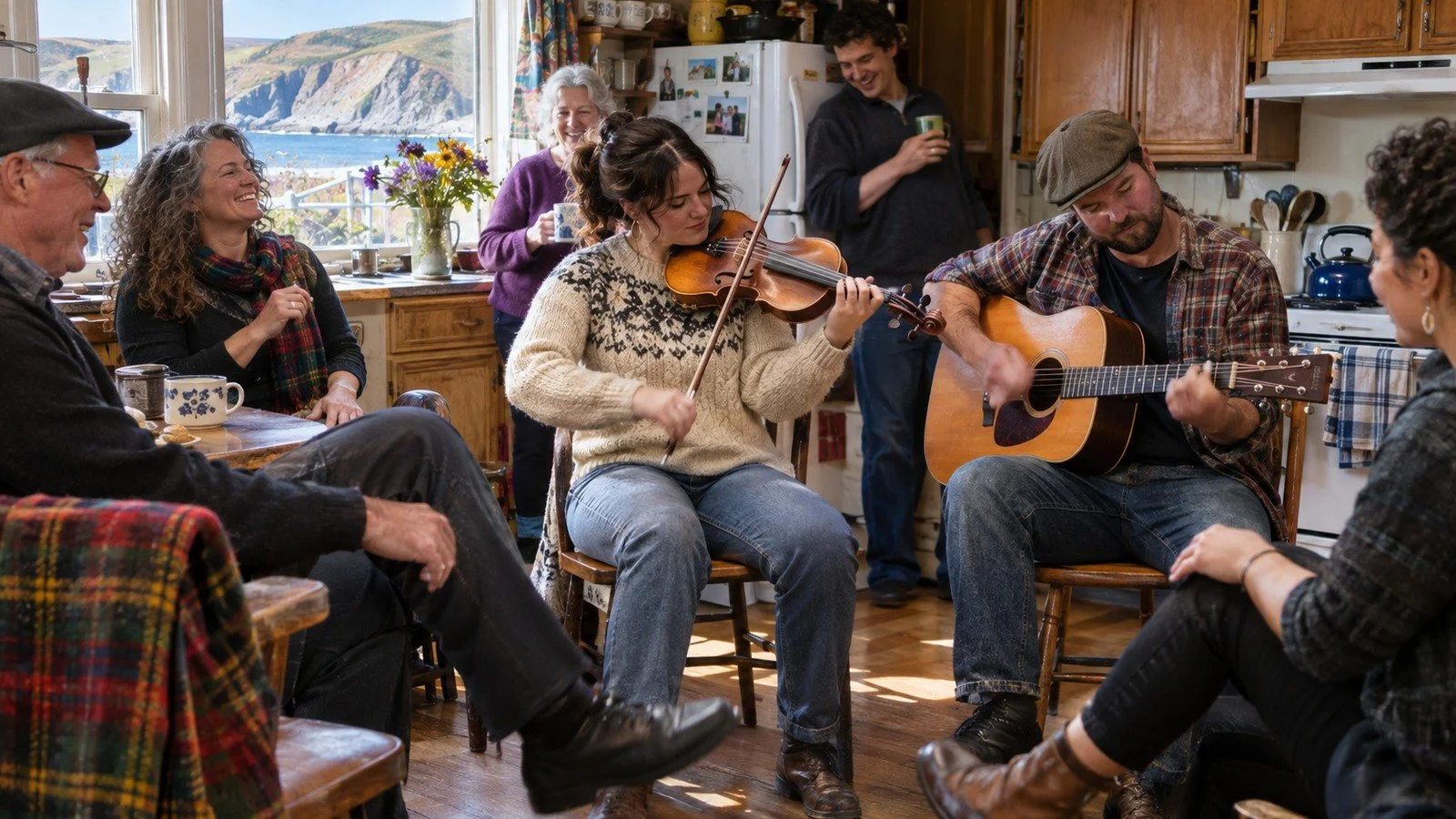
In Atlantic Canada, Celtic traditions such as Cape Breton fiddling are very much alive (The Canadian Encyclopedia, Celtic music). The Juno Awards have been administered by the Canadian Academy of Recording Arts and Sciences since 1975 (The Canadian Encyclopedia, Juno Awards).
Film, television and comedy
Canada has a strong screen culture: the National Film Board, the Toronto International Film Festival, the CBC and a long line of comedians. Many Canadian films are free to stream on the NFB's website.
National Film Board. Founded in 1939, the NFB is, according to The Canadian Encyclopedia, the central event in the history of Canadian cinema, and its films have won 12 Oscars (National Film Board). The NFB says its films are available free of charge.
TIFF. The Toronto International Film Festival runs for 10 days every September; the encyclopedia calls it the largest film festival in North America and notes that it is open to the public (TIFF).
CBC/Radio-Canada. A public broadcaster founded in 1936, with networks in English and French (The Canadian Encyclopedia, CBC).
Famous shows. The encyclopedia calls the 1985 CBC miniseries Anne of Green Gables the most-watched television program in Canadian history (Anne of Green Gables), and says the final season of the CBC sitcom Schitt's Creek won nine Primetime Emmy Awards (Schitt's Creek).
Comedy. The Canadian Encyclopedia says Canadians have often been trendsetters in North American comedy (Comedy), from SCTV (SCTV) to This Hour Has 22 Minutes (22 Minutes).
Canadian literature
Canada has world-famous writers, including Lucy Maud Montgomery, author of Anne of Green Gables, Margaret Atwood and Alice Munro, the first Canadian to win the Nobel Prize in Literature. Your public library is the best place to start.
Lucy Maud Montgomery, from Prince Edward Island, is "arguably Canada's most widely read author"; Anne of Green Gables has stayed in print for more than a century (The Canadian Encyclopedia).
Margaret Atwood, born in Ottawa, is among the most celebrated authors in Canadian history and has won two Booker Prizes (The Canadian Encyclopedia).
Alice Munro, from Wingham, Ontario, became the first Canadian to win the Nobel Prize for Literature, in 2013 (The Canadian Encyclopedia).
Arts and museums
Canadian visual art is famous for its landscapes, from the Group of Seven and Emily Carr to Inuit prints and Northwest Coast carving. Major museums include the National Gallery of Canada, the Canadian Museum of History, the Royal Ontario Museum and the Art Gallery of Ontario.
The Group of Seven, founded in 1920, painted the northern forest of the Canadian Shield; with Tom Thomson, David Milne and Emily Carr, they were the most important Canadian artists of the early 20th century, according to The Canadian Encyclopedia (Group of Seven; Emily Carr).
The National Gallery of Canada in Ottawa has the most distinguished collection of Canadian and European art in the country (The Canadian Encyclopedia).
The Canadian Museum of History in Gatineau, Quebec, is Canada's most visited museum, with exhibitions such as the First Peoples Hall (The Canadian Encyclopedia; museum website).
In Toronto, the Royal Ontario Museum and the Art Gallery of Ontario, founded in 1900.
For newcomers, the Canadian Museum of Immigration at Pier 21 in Halifax tells Canada's immigration story.
Outdoor and winter culture
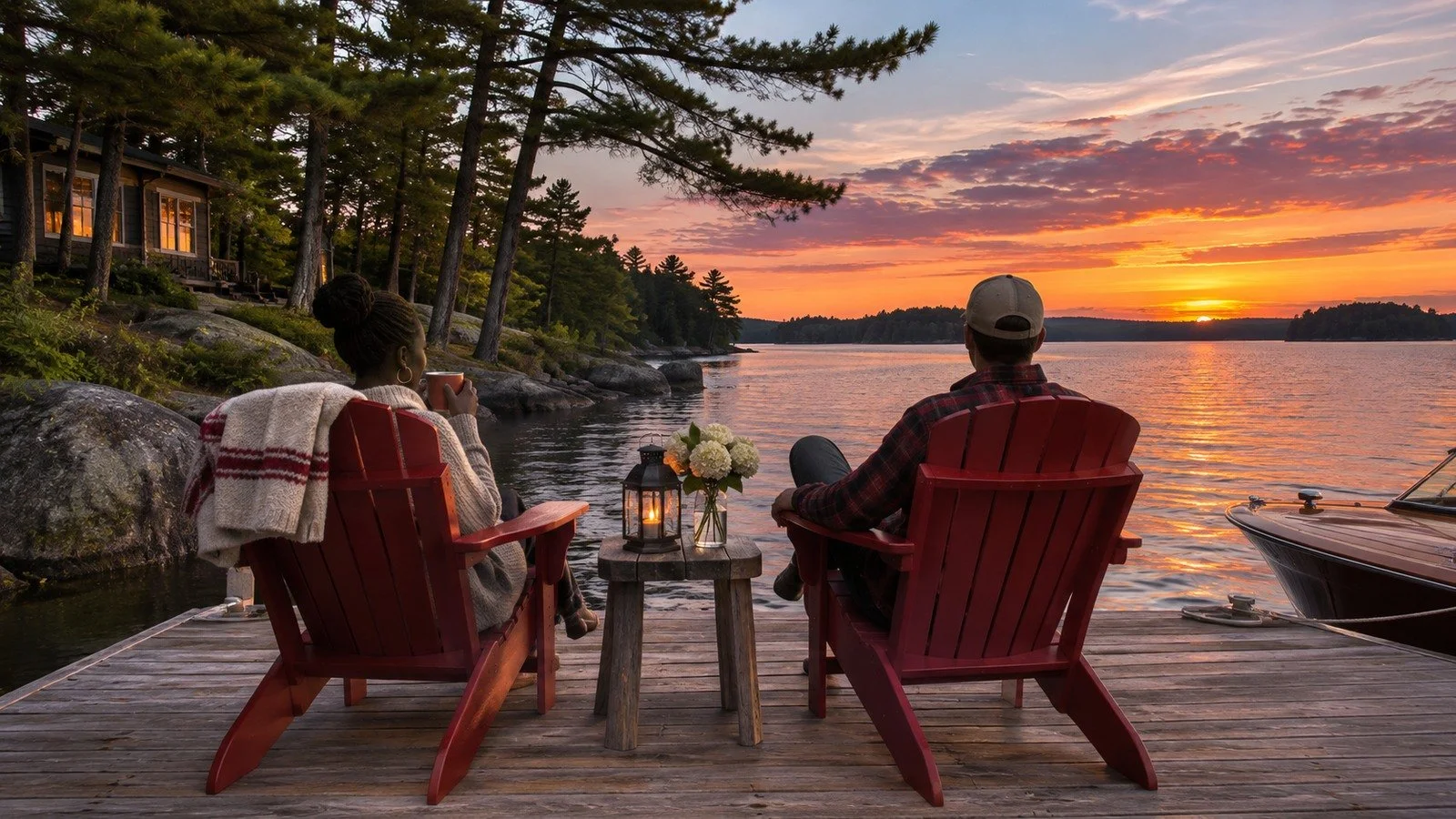
Many Canadians love the outdoors in every season: summer weekends at a cottage, camping in parks, and in winter, skating and festivals that celebrate the cold. You do not need expensive equipment: many cities have free outdoor rinks.
Cottage country. The Dictionary of Canadianisms defines it as areas, mostly in central Canada, popular for summer vacations, and notes that in Ontario it usually means regions such as Muskoka, Haliburton and the Kawarthas (DCHP-3, cottage country). An invitation to a friend's cottage is a warm gesture.
Camping. The Canadian Encyclopedia explains how camping grew from a necessity for explorers and trappers into popular recreation (Camping). Families camp in Parks Canada national parks and provincial parks; see our guide to things to do in Canada.
The Rideau Canal Skateway. The National Capital Commission turns the Rideau Canal in Ottawa into what it calls the world's largest skating rink, 7.8 km long; when open, usually from January to early March, it is free and open 24 hours a day (NCC).
Neighbourhood rinks. The City of Toronto, for example, says its outdoor artificial ice rinks typically open in late November and close in March (City of Toronto, public leisure skating). Check your city's website.
Winterlude. Canadian Heritage's winter festival in Ottawa–Gatineau is scheduled for January 29 to February 15, 2027 (Canadian Heritage, Winterlude).
For dressing for the cold, see the winter section of our customs and etiquette guide.
Please note: seasons and dates as published by the National Capital Commission, the City of Toronto and Canadian Heritage, as of November 2026. Ice depends on the weather: check the official page on the day you go.
Regional cultures across Canada
Each region has its own personality: kitchen parties and Celtic music in Atlantic Canada, French culture in Quebec, rodeos and immigrant heritage on the Prairies, Indigenous art and Asian heritage on the West Coast, and Inuit and northern traditions in the territories.
Atlantic Canada. A kitchen party is a gathering with music, dancing and storytelling, descended from the Gaelic ceilidh and kept alive by Scottish settlers in Cape Breton and Prince Edward Island (DCHP-3, kitchen party). The Celtic Colours International Festival celebrates Cape Breton Island's traditional culture over nine days each October.
Quebec. A rich French-language culture of sugar shacks, music, film and festivals such as the Carnaval de Québec. (This is culture and travel only: Global Opportunities does not offer services for Quebec's immigration programs.)
The Prairies. The Canadian Encyclopedia explains that the Prairies were peopled in great waves of migration, from Indigenous peoples and the Métis of Red River to settlers from Britain and Eastern Europe (Settlement of the Prairies). Ukrainian Canadians, who first came as farmers in the 19th century, kept traditions such as embroidery, Easter egg decoration and dance (Ukrainian Canadians). The Calgary Stampede, an agricultural fair and rodeo, runs for 10 days every July (The Canadian Encyclopedia), and Travel Manitoba calls Winnipeg's Festival du Voyageur Western Canada's largest winter festival (Travel Manitoba).
The West Coast. Home to Northwest Coast Indigenous nations known for cedar carving (totem pole), and to a long Asian Canadian heritage that began when immigrants from China arrived in the 1850s (Ginger beef).
The North. Indigenous cultures are central to daily life. The Arctic Winter Games, held every two years since 1970, promote cultural exchange among northern peoples (The Canadian Encyclopedia). See our guide to Yukon, the Northwest Territories and Nunavut.
Ontario. Toronto's Caribbean Carnival (Caribana), first held in 1967, draws nearly two million people each summer, according to The Canadian Encyclopedia (Caribana).
Francophone culture outside Quebec
French is not only spoken in Quebec. Acadians, Franco-Ontarians, Franco-Manitobans, the Fransaskois and other francophone communities keep French-language culture alive across Canada, with their own festivals, schools and holidays.
According to Canadian Heritage, nearly 10 million people speak French in Canada, and on June 24, Saint-Jean-Baptiste Day, francophones celebrate their language and traditions (Canadian Heritage).
Acadians, one of Canada's oldest francophone communities, number at least 500,000; on National Acadian Day, August 15, many communities hold a noisy Tintamarre parade with the blue, white and red flag with a gold star (The Canadian Encyclopedia, Acadian culture).
Franco-Ontarians form the largest French-speaking community of any province outside Quebec (The Canadian Encyclopedia).
Franco-Manitobans descend from voyageurs and settlers and now include many newcomers from non-European countries (The Canadian Encyclopedia); St. Boniface in Winnipeg is home to the largest francophone community in Western Canada (Travel Manitoba).
Fransaskois are the francophones of Saskatchewan (The Canadian Encyclopedia).
Please note: population figures as published by Canadian Heritage and The Canadian Encyclopedia, as of November 2026. Counts depend on how "francophone" is defined.
Canadian English: eh, toque, loonie and toonie
Canadian English mixes American and British features with words of its own. Canadians say "eh", wear a toque, pay with loonies and toonies, order a double-double and ask for the washroom. They say "zed" for Z and usually write "colour" and "centre".
Eh. Canadians use it more often and in more ways than speakers anywhere else, as in "I know, eh?" (The Canadian Encyclopedia, eh).
Toque, washroom, bachelor. A woollen winter hat is a toque, a public toilet a washroom and a studio apartment a bachelor; most Canadians also say "bill", "tap", "icing sugar" and "zed", and write "colour", "centre" and "cheque" (The Canadian Encyclopedia, Canadian English).
Loonie. The one-dollar coin, introduced in 1987, was nicknamed for the loon on one side (DCHP-3, loonie).
Toonie. The two-dollar coin, with a polar bear, launched on February 19, 1996, and was quickly dubbed the "Toonie", according to the Royal Canadian Mint (Royal Canadian Mint).
Two-four. Informal for a case of 24 beers (DCHP-3, two-four).
The Dictionary of Canadianisms on Historical Principles, from the University of British Columbia, is a fun place to look up any word you hear. If you are improving your English or French, see our guide to English and French tests for Canada.
National symbols: the beaver, the maple leaf and more
Canada's best-known symbols are the maple leaf on the national flag and the beaver, an official symbol since 1975. Others include the maple tree, the anthem "O Canada" and the national sports.
From Canadian Heritage's official symbols of Canada:
The flag was adopted on January 28, 1965, and first raised on Parliament Hill on February 15, 1965, now National Flag of Canada Day.
The beaver became an official symbol on March 24, 1975, first and foremost for its role in the fur trade.
The maple tree is the national arboreal emblem; ten maple species are native to Canada.
"O Canada" was proclaimed the national anthem on July 1, 1980, and it is customary to stand when it is played.
Red and white are Canada's colours; Canadian Heritage notes that, contrary to a long-held belief, the 1921 proclamation of the Coat of Arms did not designate them.
The biggest celebration is Canada Day, July 1, a time to get together with your community (Canadian Heritage, Canada Day). For all holidays, see our guide to Canadian holidays; for fun facts, 100 facts about Canada.
How newcomers can join in
The fastest way into Canadian culture is to take part: get a free library card, visit your community centre, go to free festivals and public skates, join a league or club, and volunteer. Many parks and museums offer free admission to new permanent residents and new citizens.
Libraries. The Toronto Public Library, for example, says you qualify for a free card if you live, work or go to school in Toronto, and card holders can reserve passes for free access to Toronto museums and venues (TPL, your library card). Its New to Canada page mentions settlement workers, information in more than 40 languages, English classes and a citizenship practice test.
Community centres and clubs. IRCC suggests community and recreation centres, libraries, sports leagues, clubs, places of worship, schools and volunteering as ways to meet people, and describes Canada Connects, which matches newcomers with longtime community members (IRCC, connecting with your community).
Canoo. With the Institute for Canadian Citizenship's Canoo app, new permanent residents and new citizens can get free admission to all Parks Canada places for one year, for the member and up to 4 children under 18 (Parks Canada).
Festivals. Culture Days, at the end of each September, offers thousands of free arts and culture events (Culture Days), and Celebrate Canada runs from June 21 to July 1 (Canadian Heritage).
First-month checklist: get a library card, try poutine and a butter tart, go to a free public skate, watch an NFB film and attend one community festival. For SIN, banking and housing, see our newcomer guide.
Please note: eligibility as published by Parks Canada, the Toronto Public Library and IRCC, as of November 2026. Canoo has its own eligibility rules and time limits, and library rules differ by city: check the linked pages first.
Videos to learn more
Canada: From the Beginning, The Story of an Extraordinary Country (Global Opportunities, YouTube) (watch).
What is Alberta known for? (Global Opportunities, YouTube) (watch).
Heritage Minutes (Historica Canada, external videos): 60-second films that, according to Historica Canada, have become a recognizable part of Canadian culture (Heritage Minutes).
More videos are on our YouTube channel.
Frequently asked questions
What is Canadian culture known for?
Multiculturalism, two official languages, Indigenous cultures, hockey, maple syrup, poutine and a love of the outdoors. Statistics Canada reports more than 450 ethnic or cultural origins in the 2021 Census (Statistics Canada).
What is the national food of Canada?
There is no official national dish, but poutine is often seen as one; The Canadian Encyclopedia calls it an iconic symbol of Québécois culture (History of poutine). Butter tarts, Nanaimo bars and maple syrup are also very Canadian.
What is Canada's national sport?
Canada has two: ice hockey is the national winter sport and lacrosse the national summer sport (National Sports of Canada Act).
What is a double-double?
A coffee with two servings of cream and sugar, a term from Tim Hortons (DCHP-3).
Why do Canadians say "eh"?
To ask for agreement, as in "It's cold today, eh?". Canadians use it more than speakers anywhere else (The Canadian Encyclopedia).
What are a loonie and a toonie?
Canada's one-dollar coin (with a loon) and two-dollar coin (with a polar bear) (DCHP-3; Royal Canadian Mint).
Why is the beaver a symbol of Canada?
Canadian Heritage says it became an official symbol on March 24, 1975, mainly because of its role in the fur trade (Canadian Heritage).
Is Canada bilingual?
Canada has two official languages, and federal institutions serve people in both. Statistics Canada reports that 18.0% of Canadians could speak both in 2021 (Statistics Canada).
How can newcomers learn about Canadian culture?
Get a library card, visit a community centre, attend free festivals and join a club or league, as IRCC suggests (IRCC). Eligible newcomers can use the Canoo app for free Parks Canada admission (Parks Canada).
Related guides
How Global Opportunities can help
Choosing a province and a pathway depends on your education, work experience, languages and goals. We can help you understand your options.
Our regulated consultant: Lic. Mildrete Monserrath Gutierrez Martinez, Regulated Canadian Immigration Consultant (RCIC), CICC licence R514880. Verify her licence on the CICC Public Register: https://college-ic.ca/protecting-the-public/find-an-immigration-consultant. Global Opportunities does not offer services for Quebec's immigration programs. Global Opportunities is a private firm and is not part of the Government of Canada or any provincial government.
Recorded seminars and lives: watch our recorded seminars in English or the Spanish recordings, and visit our YouTube channel.
More articles in English: read our Moving to Canada articles on topics such as health care, cost of living, the ECA and professional licences, and building community in Canada.
Personalized consultation: for a review of your own case, contact us or write to info@globalopp.ca.
Prefer email? Tell us what you need help with (moving to Canada) and we will reply: email info@globalopp.ca.
Contact Global Opportunities →
Sources
Statistics Canada, The Daily: languages (August 17, 2022) · Indigenous peoples (September 21, 2022) · ethnocultural diversity (October 26, 2022)
Justice Laws Website: National Sports of Canada Act · Canadian Multiculturalism Act
Canadian Heritage: Official symbols of Canada · Celebrate Canada · Multiculturalism Day · Saint-Jean-Baptiste Day · Canada Day · Winterlude
Crown-Indigenous Relations and Northern Affairs Canada · IRCC, connecting with your community
Parks Canada · Canoo free admission · NCC, Rideau Canal Skateway · City of Toronto, public leisure skating
Toronto Public Library: Your library card · New to Canada
National Film Board · NFB Indigenous cinema · NHL, teams · Canadian Football League
Travel Manitoba, St. Boniface · Celtic Colours · Carnaval de Québec · Culture Days · Canadian Museum of History · Canadian Museum of Immigration at Pier 21
Dictionary of Canadianisms on Historical Principles (DCHP-3, UBC): home · double-double · sugar shack · screech-in · cottage country · kitchen party · loonie · two-four
The Canadian Encyclopedia (Historica Canada), society and language: Multiculturalism · Official Languages Act · Canadian English · Eh · First Nations · Inuit · Métis · Powwow · Totem pole · Inuit art
The Canadian Encyclopedia, food: Poutine · Butter tarts · Nanaimo bar · Maple sugar industry · Tourtière · Jiggs' dinner · Screech · Lobster · Saskatoon berry · Ginger beef · Bannock · Caesar cocktail · Tim Hortons
The Canadian Encyclopedia, sports and outdoors: Ice hockey · Hockey Night in Canada · Lacrosse · Curling · Grey Cup · James Naismith · Toronto Raptors · Camping · Arctic Winter Games
The Canadian Encyclopedia, music, screen and books: Joni Mitchell · Gordon Lightfoot · Céline Dion · Shania Twain · The Tragically Hip · Drake · The Weeknd · Justin Bieber · Celtic music · Juno Awards · National Film Board · TIFF · CBC · Anne of Green Gables · Schitt's Creek · Comedy · SCTV · This Hour Has 22 Minutes · Lucy Maud Montgomery · Margaret Atwood · Alice Munro
The Canadian Encyclopedia, arts and regions: Group of Seven · Emily Carr · National Gallery of Canada · Canadian Museum of History · Royal Ontario Museum · Art Gallery of Ontario · Calgary Stampede · Toronto Caribbean Carnival · Settlement of the Prairies · Ukrainian Canadians · Acadian culture · Francophones of Ontario · Francophones of Manitoba · Fransaskois
Videos: Historica Canada, Heritage Minutes · Global Opportunities, Canada: From the Beginning · Global Opportunities, What is Alberta known for?
The information in this guide comes from the official and reputable sources linked in each section and listed above, as they read when we checked them in November 2026, and it may have changed since. Culture is lived differently by every person, family and community: what we describe is what many Canadians tend to enjoy, not something true of everyone. This guide is general and for reference only. It is not immigration, legal, tax or professional advice. Global Opportunities is not responsible for how anyone interprets this content, for decisions made based on it, or for changes made to the sources after it was written: what you read depends on when you read it. Event dates, program eligibility and admission rules change, so always confirm them on the official page. Global Opportunities is a private firm, is not part of the Government of Canada or of any regulator, and does not offer jobs. For your own case, book a consultation.
Last reviewed: November 2026