
Moving to Canada from Latin America and the United States: A Guide by Country
Moving to Canada from Latin America or the United States raises the same questions in every country: do I need a visa or an eTA, can I come on a Working Holiday, which skilled pathway fits me, does a trade agreement help, which language test do I need and will my qualifications be recognized? This guide answers them in plain English, with a section for each of the main countries and links to official Government of Canada and provincial sources.
About our sources: This guide summarises what official sources (the Government of Canada, provincial and territorial governments and the other organisations we link to) said when we checked them in November 2026. We link every source so you can read it yourself. Rules, rates and requirements change, sometimes without notice, and the official page is the one that counts. This is general information, not legal, tax or immigration advice. Global Opportunities is not responsible for how this information is interpreted or for changes made after it was written.
Being from a country with a trade agreement or a youth mobility agreement does not open a special door to permanent residence: Canada assesses each person against the requirements of the program they apply to. A temporary stay does not turn into permanent residence automatically. This guide covers only Canada's side, not the rules of any other country.
We are Global Opportunities, a private immigration firm based in Toronto. We link the official page for each program; check it before you decide. For life after you land, such as housing, banking, health cards and winter, read our newcomers in Canada guide.
Watch our recorded seminars and lives →
Prefer Spanish? Join our free online seminars in Spanish, or see the Spanish-language resources section below.
In this guide
Do you need a visa or an eTA to travel to Canada?
Working Holiday and International Experience Canada from Latin America
Biometrics, police certificates and medical exams
Moving to Canada as a skilled worker: Express Entry and provincial programs
CUSMA and other trade agreements in the Americas
How do you get your qualifications recognized in Canada?
Language tests: English and French
Country by country: Mexico, Colombia, Brazil, Chile, Costa Rica, Peru, Argentina and the United States
Driving licences, pensions and taxes
Spanish-language resources from Global Opportunities
Choosing a province
Planning checklist and first steps
Frequently asked questions
Related guides
How Global Opportunities can help
Sources
Do you need a visa or an eTA to travel to Canada?
It depends on your passport. IRCC lists Chilean citizens as visa-exempt travellers who need an eTA to fly. Citizens of Mexico, Brazil, Argentina and Costa Rica need a visa, but some can get an eTA instead if they meet IRCC's conditions. Colombians and Peruvians need a visa. US citizens need neither. Run IRCC's official tool to check yours.
The official place to check is IRCC's tool Find out if you need a visa or eTA to travel to Canada. The summary below comes from IRCC's entry requirements by country or territory page at the time of writing.
Visa-exempt: Chile
IRCC lists Chile among the visa-exempt countries whose citizens need an electronic travel authorization (eTA) to fly to Canada. According to IRCC's eTA page, no eTA is needed by land or sea, but you still need a valid passport.
Visa required, with a possible eTA: Mexico, Brazil, Argentina and Costa Rica
IRCC lists these countries, as well as Uruguay and Panama, as visa-required, with a note that some citizens may be eligible for an eTA. According to IRCC's page eTA for citizens from some visa-required countries, you can apply for an eTA instead of a visa only if you meet all three requirements:
You are flying to or transiting through a Canadian airport with a valid passport from one of the eligible countries.
You are coming for a temporary stay, which IRCC describes as normally up to 6 months.
You have held a Canadian visitor visa in the past 10 years, or you currently hold a valid United States nonimmigrant visa.
IRCC states that if you do not meet all three, you need a visitor visa. It also states that you need a visa, not an eTA, if you drive to Canada from the United States or arrive by bus, train or boat, including a cruise ship.
Visa required: Colombia, Peru and most other countries in the region
IRCC lists Colombian and Peruvian citizens as needing a visitor visa by any method of travel, as well as citizens of many other countries in the region, including Bolivia, Ecuador, El Salvador, Guatemala, Honduras and Venezuela. Read our Spanish article on visa refusals for Canada.
United States citizens and green card holders
According to IRCC's entry requirements page, US citizens need neither a visa nor an eTA, only proper identification such as a valid US passport. US green card holders need a valid passport and a valid green card for all methods of travel; see the US section below.
An eTA or visa is for travel, not for work or study: you generally need a work permit to work (check whether you need one) and a study permit to study. Apply only on official pages; according to IRCC, a border services officer decides at the port of entry whether you can come in.
Still unsure which one you need? Read eTA vs visitor visa for Canada, or the Spanish version, eTA vs visa de turista para Canadá. You can also watch our live session on the difference between an eTA and a visitor visa (recorded in November 2025; IRCC's tool has the current rules).
Visa and eTA lists and conditions as published by IRCC, as of November 2026. They change, and an eTA or visa lets you travel to Canada but does not guarantee entry or allow you to work or study. Run IRCC's tool with your own passport before every trip.
Working Holiday and International Experience Canada from Latin America
At the time of writing, IRCC lists only two Latin American countries in International Experience Canada: Chile and Costa Rica, each with all three categories. Mexico, Colombia, Brazil, Peru, Argentina and the United States were not on the list when we checked.
International Experience Canada (IEC) lets eligible young people from countries with a youth mobility agreement with Canada travel and work in Canada for a limited time. IRCC describes three categories: Working Holiday (an open work permit, without a job offer), Young Professionals (an employer-specific permit, with a job offer) and International Co-op (for post-secondary students who need a work placement).
Chile and Costa Rica: participation rules
According to IRCC's IEC eligibility by country and category page:
Chile: all three categories. IRCC states that Chilean citizens may take part in IEC twice, under any category. For International Co-op, you must be registered as a student at a post-secondary institution in Chile.
Costa Rica: all three categories. IRCC states that Costa Rican citizens may take part twice, but must choose a different category each time.
Age limits, permit length, funds, insurance and fees are set by IRCC and change, so we do not reproduce them; read your country's section on the eligibility page.
If your country is not in IEC
If your country is not on the list, IEC is not open to you as a citizen of that country. Most recognized organizations are open only to citizens of IEC countries, but when we checked, IRCC listed SWAP Working Holidays as open to citizens of IEC countries and the United States, and IAESTE as open to citizens of IEC countries or IAESTE member countries. They set their own rules and most charge fees.
How IEC pools and invitations work
According to IRCC's page on how IEC works, you submit a profile, enter the pools for your categories and wait for an invitation to apply; if invited and approved, your work permit is issued when you arrive. Our overview, Working Holiday in Canada, explains the steps.
IEC country lists and participation rules as published by IRCC, as of November 2026. Being eligible or being in a pool does not mean you will be invited or that a work permit will be approved: IRCC decides each case. Check the linked pages before you rely on them.
Biometrics, police certificates and medical exams
Biometrics and visa application centres
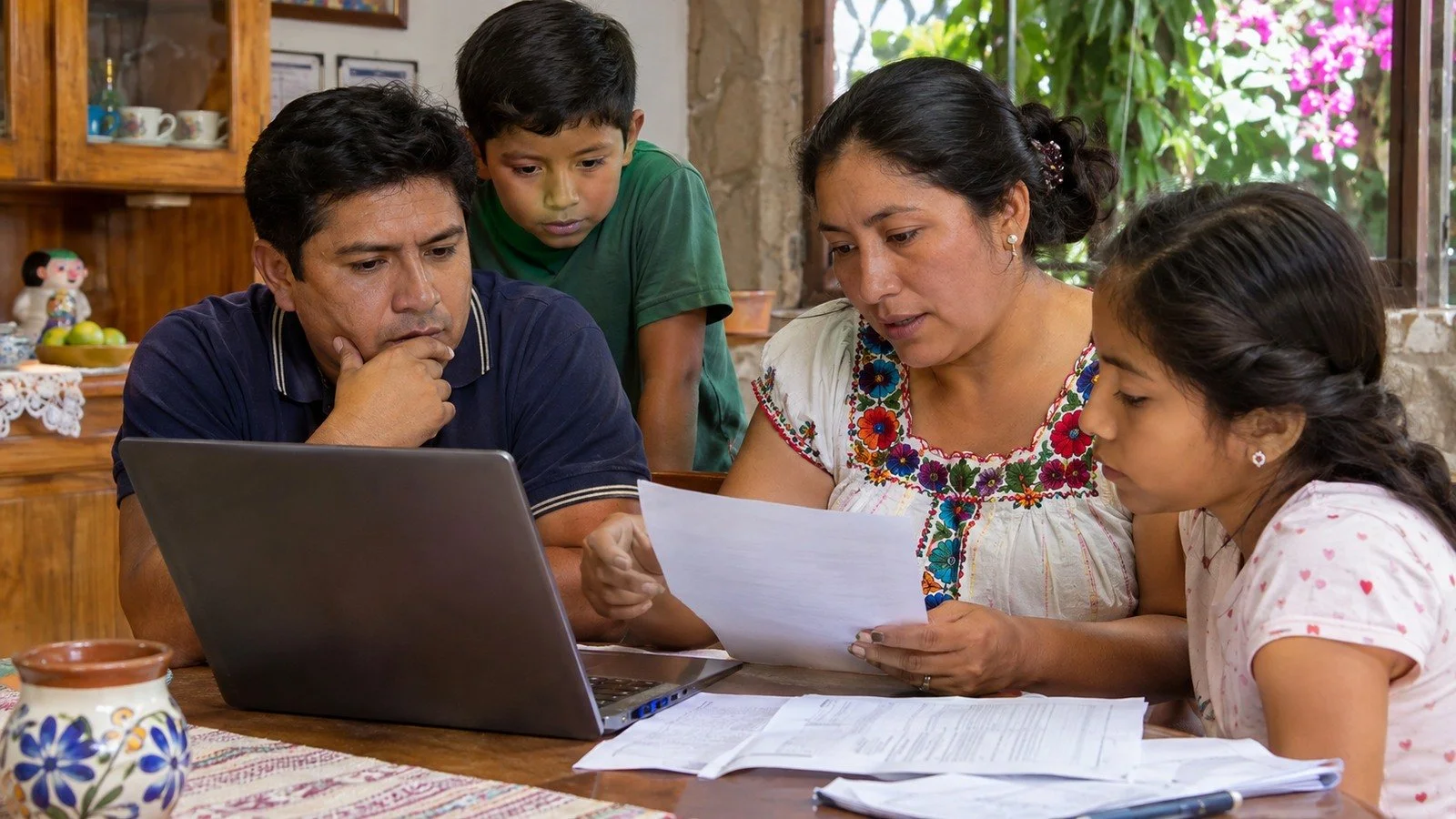
According to IRCC's page who needs to give biometrics, unless you are exempt, you give biometrics when you apply for a visitor visa, an initial work or study permit (US nationals excluded) or permanent residence.
IRCC's page where to give your fingerprints and photo lists visa application centres (VACs) in the region at the time of writing: Mexico City, Guadalajara and Monterrey in Mexico; Bogotá, Cali and Medellín in Colombia; São Paulo, Rio de Janeiro, Brasília, Porto Alegre and Recife in Brazil; Santiago, Lima, Buenos Aires and San José; and other cities such as Quito, La Paz, Asunción, Panama City and Santo Domingo. IRCC states that booking is free. In the United States, IRCC states that you can go to a US application support centre or a VAC, but only if you are already legally in the US.
Police certificates
IRCC's page How to get a police certificate names the document for each country; we summarize them in the country sections. Some countries, such as Mexico and Colombia, issue the certificate only after IRCC sends you a file number and a letter. According to IRCC's general page on police certificates, certificates not in English or French need a certified translation, so plan for Spanish and Portuguese documents.
Medical exams
According to IRCC's medical exams page, only a panel physician approved by IRCC can do an immigration medical exam, not your own doctor.
Biometrics, police certificate and medical exam rules as published by IRCC, as of November 2026. Your own application instructions are the ones that count, and they can differ from this summary.
Moving to Canada as a skilled worker: Express Entry and provincial programs
Most skilled workers from the Americas look at Express Entry, the online system IRCC uses for three federal economic programs, and the Provincial Nominee Programs run by the provinces and territories. Some come first with a work permit through an employer or a trade agreement. IRCC assesses each person against each program's requirements.
Global Opportunities does not offer services for Quebec's immigration programs; for Quebec, start at Immigration in Québec.
Express Entry
According to IRCC, Express Entry manages applications for the Federal Skilled Worker Program, the Canadian Experience Class and the Federal Skilled Trades Program. You check the minimum requirements on IRCC's eligibility page, create a profile and enter the pool. Candidates are ranked, and IRCC holds rounds of invitations that can be general, program-specific or category-based. The categories change, so check the current page.
Being in the pool does not guarantee an invitation. We do not publish scores or cut-offs. Some programs require proof of funds. Whether it applies to you, and what you would need to show, depends on each case; a consultation is the way to know.
Provincial Nominee Programs
According to IRCC's Provincial Nominee Program page, provinces and territories nominate people who can contribute to their economy, with streams that change often. The Atlantic provinces also take part in the Atlantic Immigration Program, which works with designated employers.
Coming with a job offer
Some people come through a Canadian employer with a Labour Market Impact Assessment (LMIA), or through an exemption. According to Employment and Social Development Canada's Temporary Foreign Worker Program pages, employers cannot recover the LMIA processing fee from workers. Global Opportunities does not offer jobs.
Watch our live session on why applying is not the same as being selected, and our session on whether your job qualifies for permanent residence.
Program descriptions as published by IRCC, the provinces and ESDC, as of November 2026. Meeting the minimum requirements of a program does not mean you will be invited or that an application will be approved; IRCC and the provinces decide each case.
CUSMA and other trade agreements in the Americas
According to IRCC's CUSMA instructions, the Canada–United States–Mexico Agreement facilitates temporary entry for citizens of the United States and Mexico, including professionals in the occupations the agreement lists, intra-company transferees, traders and investors. IRCC states that CUSMA does not assist permanent admission and does not apply to permanent residents of the US or Mexico.
IRCC's free trade agreements page also covers the agreements with Chile, Colombia, Peru and Panama, among others.
These routes are narrow, depend on your citizenship, occupation and employer, and change. To know whether one applies to you, book a consultation.
Trade agreement instructions as published by IRCC, as of November 2026. Being a citizen of a country covered by a trade agreement does not mean a work permit will be approved; officers decide each case.
How do you get your qualifications recognized in Canada?
Canada does not recognize foreign qualifications automatically, and there are two separate processes: one for immigration and one for working in your profession. We explain the difference in ECA vs professional licence in Canada, also available in Spanish as ECA vs licencia profesional.
Educational Credential Assessment (ECA)
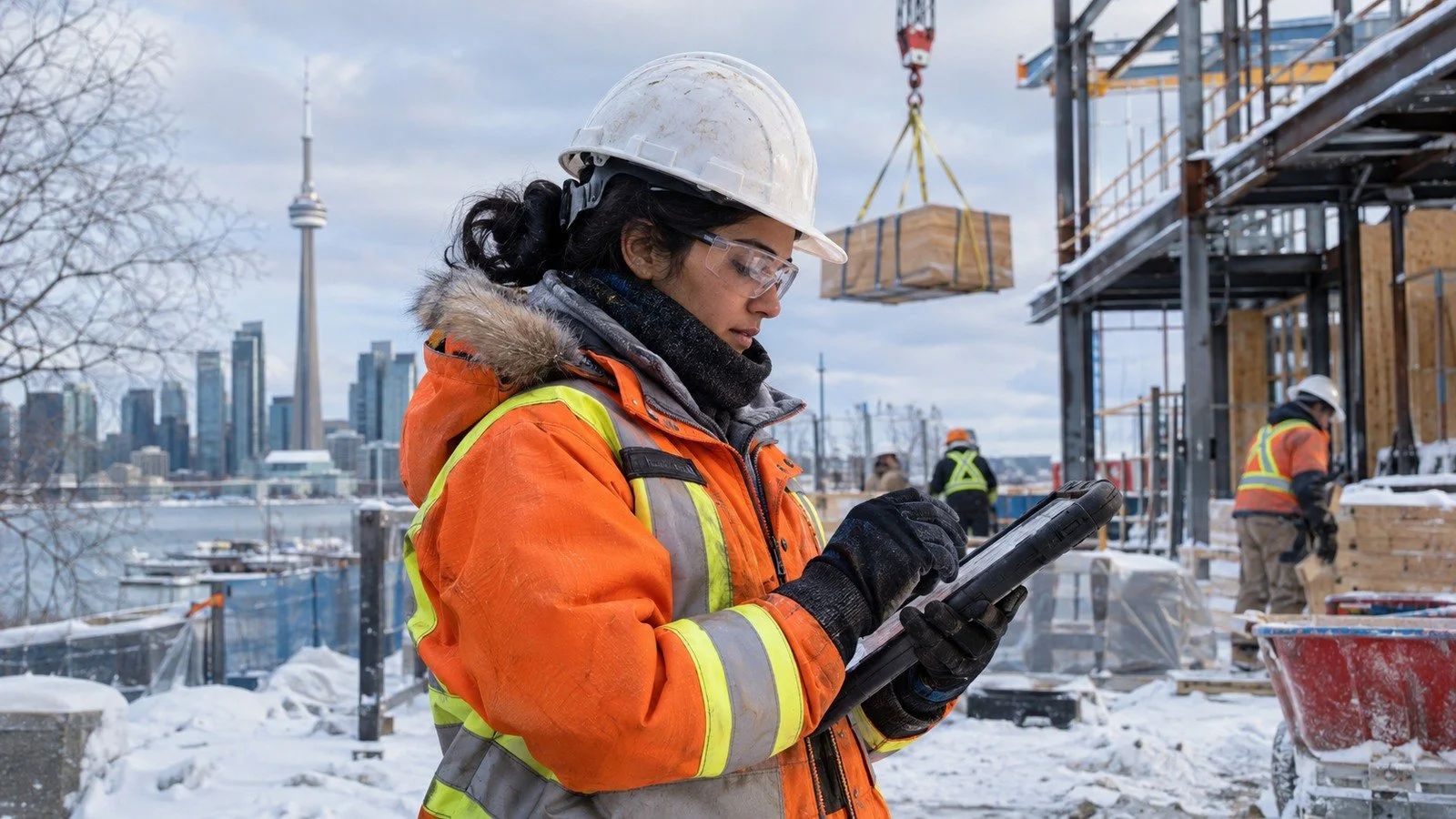
According to IRCC, an Educational Credential Assessment checks that a foreign credential is valid and equal to a Canadian one, and is needed for the Federal Skilled Worker Program or to get points for foreign education. IRCC designates the organizations that issue ECAs and states that an ECA does not guarantee a job in your field or a licence to practise.
Regulated professions and trades
For regulated occupations you need a licence from the regulator in your province or territory, which, according to the Government of Canada's Foreign Credential Recognition page, assesses your credentials; contact it before you arrive. The Canadian Information Centre for International Credentials (CICIC) points you to the right regulator.
Engineers: according to Engineers Canada, you need a licence from a Canadian engineering regulator to practise; a foreign title or a US PE licence is not one. See our Spanish guide for engineers.
Nurses: for most internationally educated nurses, the National Nursing Assessment Service (NNAS) is the first step, not a licence. See our nursing guide or the Spanish version.
Trades: according to the Red Seal Program, provincial and territorial apprenticeship authorities certify tradespeople. Ask the authority on the official contact list how your experience is assessed.
Licensing information as published by the Government of Canada, CICIC, Engineers Canada, NNAS and the Red Seal Program, as of November 2026. An ECA or a foreign registration is not a Canadian licence: only the provincial or territorial regulator can license you.
Language tests: English and French
Most economic programs ask for an approved language test, even from native English speakers. According to IRCC's Express Entry language test page, the accepted tests are CELPIP-General, IELTS General Training and PTE Core for English, and TEF Canada and TCF Canada for French. IELTS Academic and PTE Academic are not on that list. IRCC states that results must be "less than 2 years old" when you create your profile and when you apply.
Find test centres with each provider's official site: IELTS, PTE Core, CELPIP, TEF Canada and TCF Canada. These providers are private or independent organizations; the list is for reference only. Our English and French tests guide explains each test; in Spanish, read IELTS y CELPIP para emigrar a Canadá. Watch our live session on how CELPIP results fit into an application.
Accepted tests as published by IRCC, and test details as published by each provider, as of November 2026. A test result on its own does not make you eligible: each program sets its own minimum levels.
Moving to Canada from Mexico
Travel: IRCC lists Mexico among the visa-required countries whose citizens may get an eTA if they fly and meet IRCC's three conditions; otherwise, you need a visitor visa.
IEC: Mexico was not on IRCC's IEC country list when we checked.
CUSMA: Mexican citizens are covered by CUSMA's temporary entry rules; see the trade agreements section.
Biometrics: IRCC lists VACs in Mexico City, Guadalajara and Monterrey.
Police certificate: IRCC's Mexico page names the Constancia de datos registrales from the Fiscalía General de la República. IRCC states that it sends you a file number and a request letter after you apply for permanent residence, citizenship or some temporary programs.
In Spanish: seminars for Mexicans, which province suits you if you move from Mexico and permanent residence for Mexicans.
Moving to Canada from Colombia
Travel: IRCC lists Colombian citizens as needing a visitor visa, and biometrics in most cases.
IEC: Colombia was not on IRCC's IEC country list when we checked.
Trade agreement: IRCC publishes instructions for the Canada–Colombia agreement; whether it applies to you depends on each case.
Biometrics: IRCC lists VACs in Bogotá, Cali and Medellín.
Police certificate: IRCC's Colombia page names a Background Verification Certificate handled through the service provider IRCC names. IRCC states not to apply until the visa office sends you a file number and instructions.
In Spanish: how to move to Canada from Colombia.
Moving to Canada from Brazil
Travel: IRCC lists Brazil among the visa-required countries whose citizens may get an eTA if they fly and meet IRCC's three conditions; otherwise, you need a visa.
IEC: Brazil was not on IRCC's IEC country list when we checked.
Biometrics: IRCC lists VACs in São Paulo, Rio de Janeiro, Brasília, Porto Alegre and Recife.
Police certificate: IRCC's Brazil page names the Certidão de Antecedentes Criminais issued by the Brazilian Federal Police, and states that state certificates are no longer accepted.
Language: Portuguese documents need a certified translation into English or French.
In Portuguese: Como imigrar para o Canadá sendo brasileiro, and our past seminars for Brazil.
Moving to Canada from Chile
Travel: IRCC lists Chilean citizens among the visa-exempt travellers who need an eTA to fly.
IEC: all three categories, with participation rules specific to Chile; see the IEC section.
Trade agreement: IRCC publishes instructions for the Canada–Chile agreement.
Biometrics: IRCC lists a VAC in Santiago.
Police certificate: IRCC's Chile page names two documents from the Registro Civil: the Certificado de Antecedentes para Fines Especiales and the Hoja de Vida del Conductor, for driving-related convictions.
In Spanish: how to move to Canada from Chile and our free seminars for Chileans.
Moving to Canada from Costa Rica
Travel: IRCC lists Costa Rica among the visa-required countries whose citizens may get an eTA if they fly and meet IRCC's three conditions; otherwise, you need a visa.
IEC: all three categories, with a different category each time you take part; see the IEC section.
Biometrics: IRCC lists a VAC in San José.
Police certificate: IRCC's Costa Rica page names the Certificación de Antecedentes Penales, marked for various international uses, from the Judicial Register of the Supreme Court.
In Spanish: how to move to Canada from Costa Rica and our free seminars for Costa Ricans.
Moving to Canada from Peru
Travel: IRCC lists Peruvian citizens as needing a visitor visa, and biometrics in most cases.
IEC: Peru was not on IRCC's IEC country list when we checked.
Trade agreement: IRCC publishes instructions for the Canada–Peru agreement.
Biometrics: IRCC lists a VAC in Lima.
Police certificate: IRCC's Peru page states that Peruvian citizens need a Certificado Único Laboral from the Ministry of Labour, which IRCC says can be requested online, with a translation when you submit it.
In Spanish: how to move to Canada from Peru and our seminars for Peruvians.
Moving to Canada from Argentina
Travel: IRCC lists Argentina among the visa-required countries whose citizens may get an eTA if they fly and meet IRCC's three conditions; otherwise, you need a visa.
IEC: Argentina was not on IRCC's IEC country list when we checked.
Biometrics: IRCC lists a VAC in Buenos Aires.
Police certificate: IRCC's Argentina page names the Certificado de Antecedentes Penales from the Registro Nacional de Reincidencia.
In Spanish: our past seminars for Argentina.
Moving to Canada from the United States
English is the main working language in most provinces, but being a US citizen does not give you the right to work or live in Canada.
Travel: according to IRCC, US citizens need neither a visa nor an eTA. Green card holders need a valid passport and a valid green card for every way of travelling, by air, land or water.
IEC: the United States was not on IRCC's IEC country list when we checked. See the IEC section on recognized organizations.
CUSMA: US citizens are covered by CUSMA's temporary entry rules; IRCC states that they do not assist permanent admission. If you think they may apply to you, book a consultation.
Biometrics: according to IRCC, US nationals are excluded for work and study permits but not for permanent residence. IRCC lists VACs in New York and Los Angeles, plus US application support centres.
Police certificate: IRCC's United States page names the Identity History Summary from the FBI, which you can request online.
Driving: Ontario lists US states among its exchange partners, and Alberta states that US class 5, 6 or 7 licences can be exchanged without extra testing. See the driving section.
Pensions and tax: the US is on Canada's social security agreement and tax treaty lists. US tax questions go to a qualified US tax professional.
Belongings: see the CBSA page on moving or returning to Canada.
Country details as published by IRCC, the Government of Ontario and the Government of Alberta, as of November 2026. They change, and your own application instructions are the ones that count.
Driving licences, pensions and taxes
Driving licences
There is no national driver's licence in Canada. Ontario's licence exchange page states that new residents can use a valid licence from another state or country for 60 days. Its exchange list includes US states (not US territories) but no Latin American country when we checked; other drivers go through testing, with credit for previous experience as Ontario explains. Alberta's exchange page lists the United States and did not list any Latin American country when we checked. Other provinces publish their own rules.
Pensions and taxes
At the time of writing, Canada's list of countries with social security agreements includes Argentina, Brazil, Chile, Ecuador, Mexico, Peru, the United States and Uruguay. According to the Government of Canada, they can help people qualify for benefits but do not increase the amount paid. Colombia and Costa Rica were not on it when we checked. Tax treaties are a separate matter: the Department of Finance's list of tax treaties in force includes Argentina, Brazil, Chile, Colombia, Mexico, Peru and the United States, but not Costa Rica. The Canada Revenue Agency's page for newcomers to Canada explains tax residency; ask a tax professional how a treaty applies to you.
Exchange lists as published by the Government of Ontario and the Government of Alberta, and agreement and treaty lists as published by the Government of Canada, as of November 2026. An agreement does not mean you will receive a pension or pay less tax; each case is different.
Spanish-language resources from Global Opportunities
Many of our resources are in Spanish: free online seminars, recorded seminars and lives and country pages for Mexico, Colombia, Chile, Costa Rica, Peru and Argentina, plus our Portuguese page for Brazilians.
Choosing a province
Where you live shapes your job search, your costs, the provincial programs you can look at and your community. Our province guides cover cities, housing, health care, work and winter, for example Ontario, British Columbia, Alberta, Saskatchewan, Manitoba, Nova Scotia and New Brunswick. Quebec is not included because Global Opportunities does not offer services for Quebec's immigration programs.
Planning checklist and first steps
Use this as a planning list, not as a legal checklist. Your program's official document list always comes first.

Before you travel
Check whether you need a visa or an eTA, and whether IEC is open for your country.
Book an approved language test, start your ECA and contact your regulator early.
Arrange certified translations, give biometrics and request police certificates when IRCC tells you to.
Check what you can bring on the CBSA travellers page.
After you arrive
Get your Social Insurance Number and open a bank account.
Apply for your provincial health card; according to IRCC's page on health care in Canada, some provinces have a waiting period.
Find free newcomer services.
Search on Job Bank and learn the Canadian resume format. IRCC warns that no one can guarantee you a job or a visa.
Frequently asked questions
Do Mexicans need a visa to travel to Canada?
According to IRCC, Mexican citizens need a visitor visa, but some can apply for an eTA instead if they fly for a temporary stay and have held a Canadian visa in the past 10 years or hold a valid US nonimmigrant visa. By land or sea, you need a visa. Run IRCC's tool with your passport before every trip.
Which Latin American countries can apply for a Working Holiday in Canada?
At the time of writing, IRCC lists Chile and Costa Rica in International Experience Canada, each with Working Holiday, Young Professionals and International Co-op. Mexico, Colombia, Brazil, Peru and Argentina were not on the list when we checked. The list changes, so check the official page.
Can Americans get a Working Holiday in Canada?
The United States was not on IRCC's IEC country list when we checked. IRCC's list of recognized organizations showed SWAP Working Holidays as open to US citizens. These organizations set their own rules and fees.
Do Colombians and Peruvians need a visa for Canada?
Yes. At the time of writing, IRCC lists citizens of Colombia and Peru as needing a visitor visa to travel to Canada by any method.
Can I work in Canada under CUSMA?
It facilitates temporary entry for some US and Mexican citizens, such as professionals with pre-arranged work in listed occupations, according to IRCC's CUSMA instructions. IRCC states that it does not assist permanent admission. Whether it applies to you depends on each case; book a consultation.
Do US green card holders need an eTA or a visa?
According to IRCC, they need a valid passport and a valid green card whether they arrive by air, land or water. CUSMA does not apply to them unless they are US or Mexican citizens.
Is my Latin American degree valid in Canada?
Not automatically. For immigration you may need an Educational Credential Assessment; to work in a regulated profession, such as engineering or nursing, you need a licence from the provincial regulator. An ECA is not a licence.
Can I exchange my Mexican or Latin American driver's licence in Canada?
It depends on the province. No Latin American country was on Ontario's or Alberta's exchange lists when we checked, so you may need to take tests. US licences can be exchanged in both, subject to conditions.
How do I check a consultant before moving to Canada?
Paid immigration consultants must be licensed by the College of Immigration and Citizenship Consultants (CICC). Check the CICC Public Register. IRCC's scams page states that hiring a representative will not speed up your application or guarantee approval.
Related guides
How Global Opportunities can help
Global Opportunities is a private immigration firm in Toronto. If you are planning a move from Latin America or the United States, we can help you understand which Canadian programs may fit your profile and what to prepare. We cannot guarantee an invitation, a permit or a result: every decision is made by IRCC or the province.
Our regulated consultant: Lic. Mildrete Monserrath Gutierrez Martinez, Regulated Canadian Immigration Consultant (RCIC), CICC licence R514880. Verify her licence on the CICC Public Register: https://college-ic.ca/protecting-the-public/find-an-immigration-consultant. Global Opportunities does not offer services for Quebec's immigration programs. Global Opportunities is a private firm and is not part of the Government of Canada or any provincial government.
Recorded seminars and lives: watch our recorded seminars in English or the Spanish recordings, join our free seminars in Spanish, and find everything on our YouTube channel.
More articles in English: read our Moving to Canada articles on topics such as health care, cost of living, the ECA and professional licences, and building community in Canada.
Personalized consultation: to review your situation, contact us through our contact page or write to info@globalopp.ca.
Prefer email? Tell us what you need help with (moving to Canada from Latin America or the US) and we will reply: email info@globalopp.ca.
Contact Global Opportunities →
Sources
IRCC: International Mobility Program, international free trade agreements
Employment and Social Development Canada: Temporary Foreign Worker Program
Government of Canada: Countries with social security agreements
Canada Border Services Agency: Moving or returning to Canada
CICIC: Canadian Information Centre for International Credentials
Red Seal: Provincial and Territorial Apprenticeship and Certification Authorities
Government of Ontario: Exchange an out-of-province driver's licence
Government of Alberta: Exchange a licence from outside Alberta
The information in this guide comes from the official sources linked above, as they read when we checked them in November 2026, and it may have changed since. It is general and for reference only, and it is not immigration, legal, tax or professional advice. Global Opportunities is not responsible for how anyone interprets this content, for decisions made based on it, or for changes made after it was written. For your own case, book a consultation. Visa and eTA requirements, International Experience Canada and its country list, Express Entry, provincial programs, trade agreement rules, language test rules, driving licence exchange lists and official requirements change frequently, and nothing in this guide covers the immigration, tax, pension or legal rules of any other country. Always confirm requirements with official Government of Canada and provincial sources. Global Opportunities is a private firm, is not part of the Government of Canada or of any regulator, and does not offer jobs.
Last reviewed: November 2026